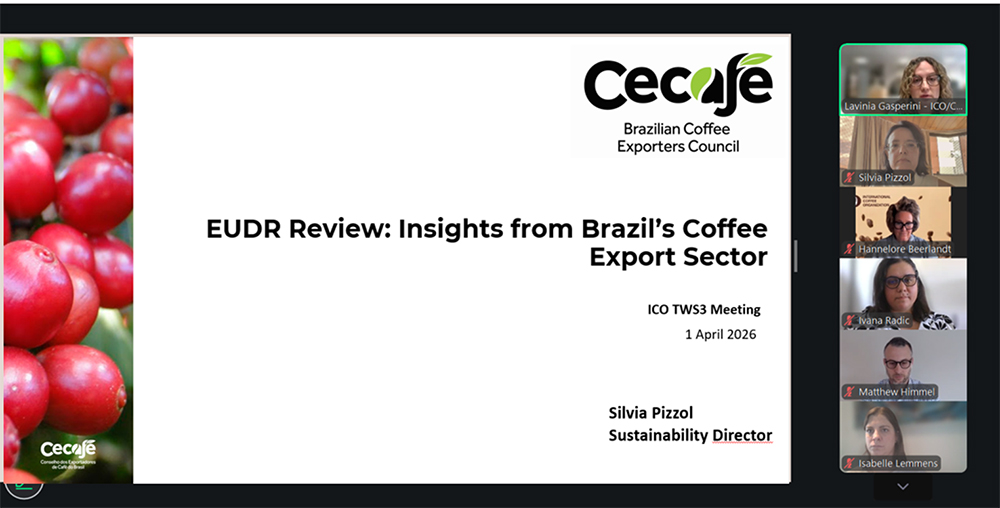
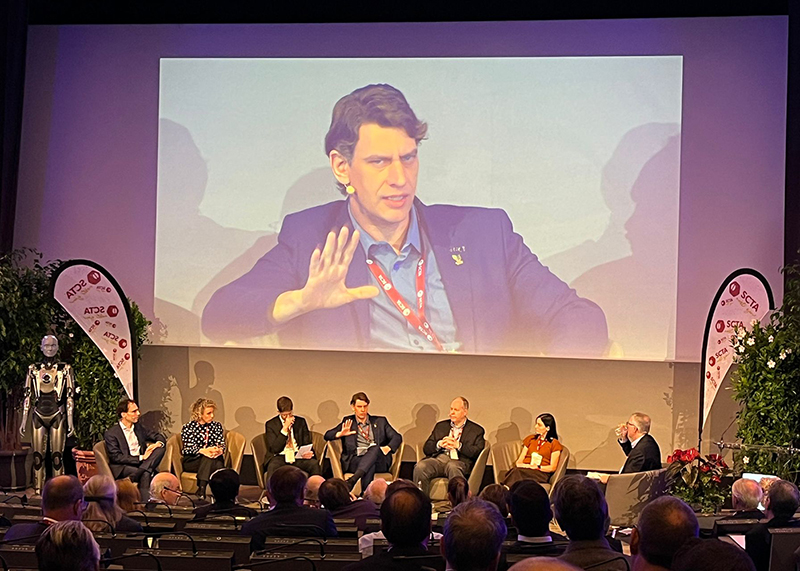
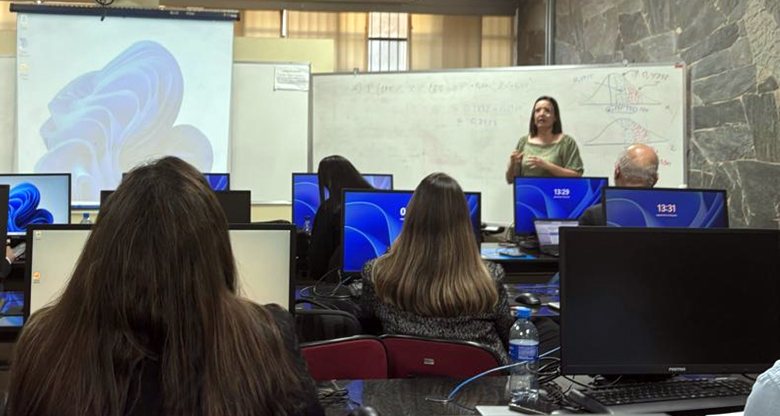
Europe is one of the largest consumers and importers of coffee in the world. As such an important player in the global coffee market, the rules imposed by the EU government on companies trading coffee in its territory have a global impact, as they affect the entire supply chain, including producers and exporters in third countries, such as Brazil.
Europe is one of the major importers and consumers of coffee in the world. The European Union’s new EUDR regulation has a global impact and places demands on every link in the chain, including producing and exporting nations, because of the due diligence required by it. This website presents the main information on the EUDR that producers, exporters and importers need to know. It also shows how Brazil has been preparing to meet the obligations of the new regulation, working hard to guarantee the supply of Brazilian coffee to this important market.
With CECAFÉ‘s contracting of Smart ESG, a solution developed by Serasa Experian, the first and largest Datatech in Brazil, member exporters will be able to check whether the coffee originated in a deforested area after 2020-12-31 and extract the geolocation data, through queries made to the Rural Environmental Registry (CAR) on the platform, allowing Brazil to be prepared to meet the requirements of the new European regulation.
To make it easier to understand the new European rules, Cecafé is leading a campaign to inform people about the EUDR and its implications for Brazil’s coffee trade, providing an area on the website for questions and answers to producers, exporters and importers.
The new regulation (EUDR) to promote the import and marketing of deforestation-free products is part of the European Green Deal as one of its strategies to combat climate change. The EUDR requires European companies to carry out due diligence throughout their supply chains to ensure that products originating in deforested areas after 2020-12-31 are not placed and marketed on European territory.
Although there are many challenges with the new European regulation, Brazil has been making efforts through the export trading stages to meet its requirements, along with the European bloc’s demand, guaranteeing the supply of our importers in this important market with an offer of coffee beans from a variety of qualities and produced in a sustainable way, with respect for the environment and people.
Bringing more transparency for good socio-environmental practices adopted in Brazilian coffee planting regions is an opportunity to show the world that the Coffee from Brazil is in the vanguard of global sustainability, considering its three dimensions: Environmental, Social, and Economic.
And Cecafé leads the challenge of defending Brazilian coffee overseas and of promoting domestic conscious awareness, by means of informative and instructive campaigns about the new regulation by the European Union, thus taking knowledge and elucidation to Brazilian coffee producers and exporters. This communication initiative also aims at demonstrating to European importers the platform adopted by the exporting trade and procedures taken in Brazil to meet the EUDR.

The EUDR (European Union Regulation on Deforestation-Free Products) is a law that bans the import and trade in the European bloc of certain products from deforested areas after 2020-12-31.
Its main goal is to reduce the impact of global deforestation, guaranteeing that only deforestation-free products, produced in conformity with sustainable practices, reach consumers from the 27 EU member-countries. The regulation went into effect in June, 2023 and includes a variety of products besides coffee, such as soy, cacao, palm oil, cattle, rubber, wood, and other by-products of these.
Considering that around 47% of Brazilian coffee beans are destined for the European Union, conformity of origin with EUDR requirements is essential. In the first place, it guarantees access to the European market, one of the largest consumers of coffee in the world. Not complying with the requirements of the EUDR is preventing Brazilian coffee from having such access. Compliance with the regulation helps to reduce this risk and to guarantee the continuity of operations with the European Union.
Furthermore, it offers a great opportunity for Brazil to consolidate its image and leadership in the supplying of sustainable coffee, demonstrating its engagement in environmental preservation and production with respect for people, and creating positive expectations of present and future business.
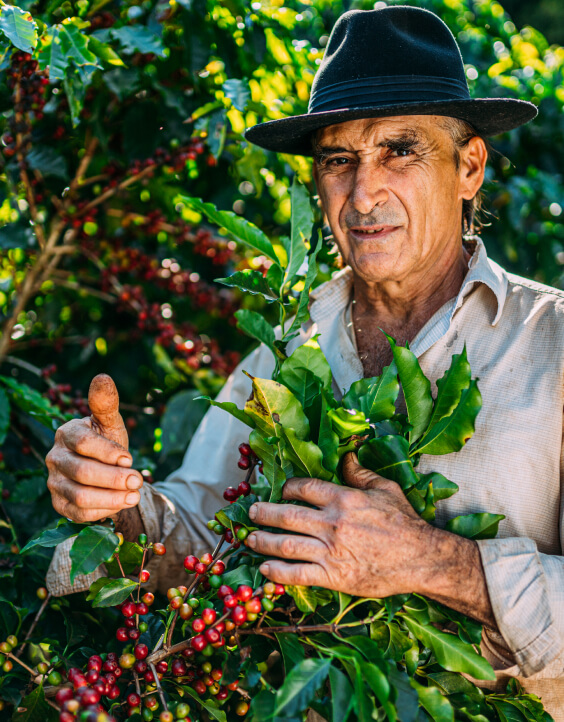
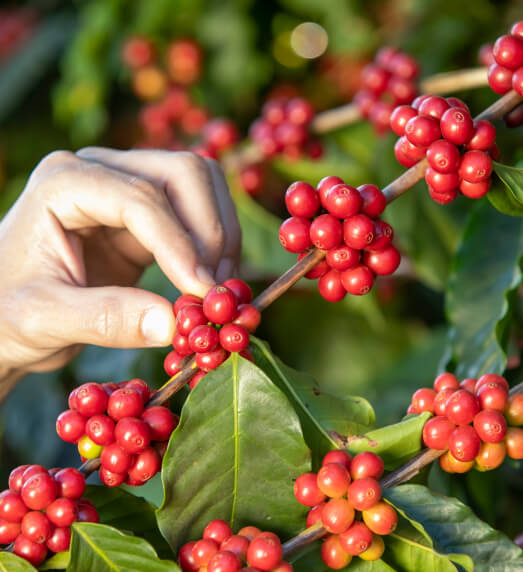
Brazilian coffee is cultivated with a solid commitment to sustainability! Through research, technology, adoption of good environmental practices and rigorous laws existing in the country, Brazilian coffee is day after day being adapted and prepared to meet the increasing global demands and requirements, offering beans of various qualities, produced with respect for the environment and for people. When choosing Brazilian coffee, European importers and buyers offer their consumers the exceptional quality proceeding from different producing regions, with planting and harvests sustainably accomplished and in conformity with the most recent environmental regulations, including the EUDR.
To support the socio-environmental due diligence processes carried out by exporting companies, Cecafé – the Brazilian Coffee Exporters Council – has signed a partnership with Serasa Experian, the first and largest Datatech in Brazil.
Through Smart ESG, a Serasa Experian solution, Brazilian exporters can verify and monitor the socio-environmental information of rural properties, identifying those that meet the requirements of the EUDR regulation, as well as extracting geolocation data.
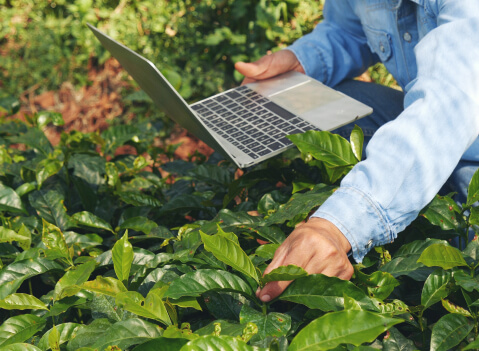
Using official public data from the Brazilian government and the EUDR protocol created on Serasa Experian’s Smart ESG platform, the exporter checks and monitors the rural property in order to identify its compliance with the EUDR.


Through the EUDR protocol created on the Smart ESG platform, the CECAFÉ member exporter verifies data and compliance of the rural property with the new European regulation, monitoring it throughout the process, from production to shipment.

The products purchased by the exporter are sent to storage, with the appropriate identification of the properties that meet the EUDR requirements and their respective geolocation.

Only containers with coffee that have complied with the EUDR protocol, verified and identified in stages 1 and 2, are loaded for export to the European Union.
Through the EUDR protocol created on the Smart ESG platform, the CECAFÉ member exporter verifies the data and compliance of the rural property with the new European regulation, monitoring the establishment throughout the process, right up to shipment.
The products purchased by the exporter are sent to storage, with the appropriate identification of the properties that meet the EUDR requirements and their respective geolocation.
Only containers with coffee that have complied with the EUDR protocol, verified and identified in stages 1 and 2, are stuffed for export to the European Union.

Cecafé (Brazilian Coffee Exporters Council) is the main representative of Brazilian coffee exporters, being responsible for more than 96% of green coffee beans exports from the country. Its commitment is to defend and promote the interests of coffee exporters in a transparent and professional manner.
© Cecafé 2024. All rights reserved